
- By cyond
- No Comments
- Water Leaks
Every building is bound to go through some leakage at some point. Stopping leakage completely is not possible but detecting at the earliest and taking necessary precautionary measures is possible. For this, you need to understand what is considered a leak and how to look for them.
In this blog, I will tell you how to identify leaks, the difference between interior and exterior leaks and how you can detect and diagnose them with the best building structural safety brand in Hyderabad.
Interior vs. Exterior Leaks: What is the difference?
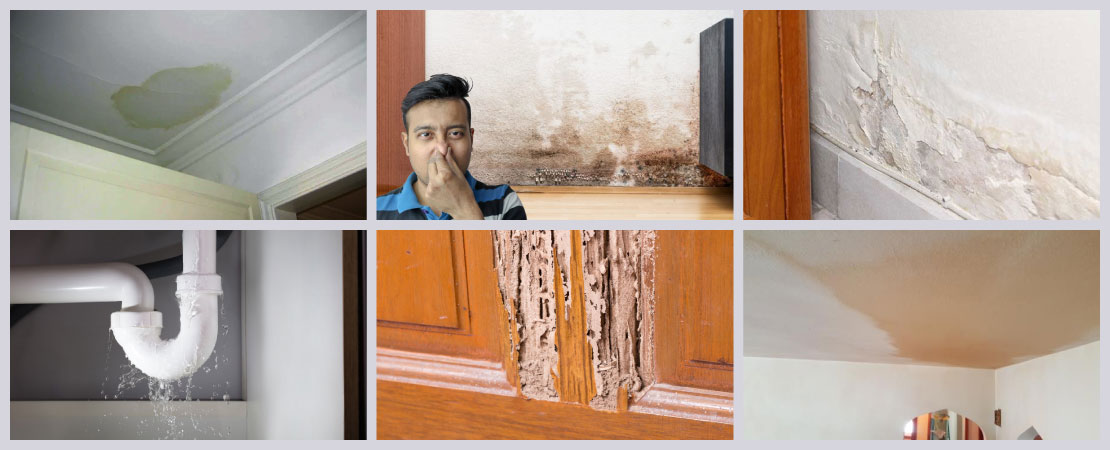
Exterior Leaks – These come from outside the building. Common causes include cracked walls, failing window seals or damage in terrace floors. Some signs can be water stains on ceilings, peeling paint or puddles near walls.
Interior Leaks – These originate from inside the building. These kinds of leaks can happen from your bathroom, balconies or kitchen. If you see any patches on your ceilings near a bathroom area or in balconies, then it is most likely an interior leak.
Why Guesswork Fails
Trying to fix a leak by guessing where it’s from only makes the problem worse. This way, you can ruin your entire building. Every wrong guess just means more tearing of walls and wasting of your money. For example, if you cut into a wall hoping to find a leak but hit the wrong spot, you damage the property without solving the leak. Worse, water may have already spread deep into the structure.
Professional Diagnosis – How does it work?
Professional leak diagnosis uses special tools and experience, not guesswork. An expert inspection usually follows a clear process:
- Visual Inspection – Through the visual inspection, our trained engineer first looks for visual clues like water stains, mold, paint peeling, etc. They use these signs to trace back to the source of the problems.
- Thermal Imaging – Through thermal imaging, you can see the temperature changes behind the walls, ceilings and floors. A wet patch cools differently than a dry area, showing up as different colours. This way, the leaks can be found without breaking the walls.
- Moisture Meters – With moisture meters, we can see how much moisture is stuck behind the walls and tiles in bedrooms, bathrooms, kitchen and more. By scanning around suspected areas, an expert can identify wet spots that aren’t visible to the eye.
- Pressure or camera tests – If needed, they might check pipe pressure or send a small video camera into drains. This is common for interior plumbing leaks and can catch problems in hidden lines.
- Hammer Tests – In hammer tests, an engineer gently taps on terrace walls using a small hammer and listens to the sound it makes. This difference in sound helps experts identify sections where water has weakened plaster, concrete or tile bonding.
Case Study
Problem: The residents of an apartment building contacted Cyond for their water leakage issues. We found out that there have been both external and internal leakage issues in the apartment. In monsoon season, the rainwater is leaking from the terrace and small cracks on the outer wall of the building into people’s homes. We also found gaps in bathroom tiles in one apartment through which the water was leaking to all the apartments below and causing paint to peel off.
Guesswork Fix: They first tried to fix it by painting over it and calling a local plumber to patch it but the problem kept coming back.
Cyond’s Diagnosis: Cyond visited the apartment and went through each apartment. They found leaks in the bathroom tiles and kitchen nani traps, found cracks in the external pipes, loose bounding on the terrace floors. For this, Cyond did thermal image testing, hammer testing and used moisture meters to find out where the leak is originating from. Then, the residents were provided with a detailed report of the leaks and were advised to get a terrace waterproofing and sealing of all the cracks in the building.
FAQs
- How do I know if the leak is from inside or outside?
A professional check is the safest way. However, start by seeing when the leak happens. If it only shows up during rain, suspect an exterior leak (roof or wall). If it happens anytime (even with no rain) and near pipes or bathrooms, it might be interior plumbing. Common signs like stains under bathrooms suggest a plumbing leak.
- What does a professional leak diagnosis involve?
The inspection is thorough. Cyond’s experts will inspect all areas (bathrooms, roof, basements) using tools like moisture meters and thermal cameras. We look behind walls and under floors without breaking them. If we find a problem, we give you a detailed report with suggestions (for example, which surface needs waterproofing).
- How long does the leak inspection take?
It depends on your home size. Typically, diagnosing a small flat takes about 1–2 hours and a standalone house takes 2–3 hours. Large or complex buildings might need a full day.
- Can leaks affect my building safety?
Yes. Leaks that stay hidden can weaken concrete, corrode steel and cause cracks. Over time, this hurts the building’s structure. A timely professional diagnosis helps keep your building strong and safe.
Conclusion
Don’t let guesswork risk your home’s safety. When you see damp spots or stains, call the experts right away. Cyond has skilled engineers who will find the true source of the leak, fix it properly and prevent future damage. We provide clear reports, long-term solutions and even a warranty on the work.
Protect your home’s value and safety – contact Cyond to book your professional leak diagnosis today.