
- By cyond
- No Comments
- Uncategorized
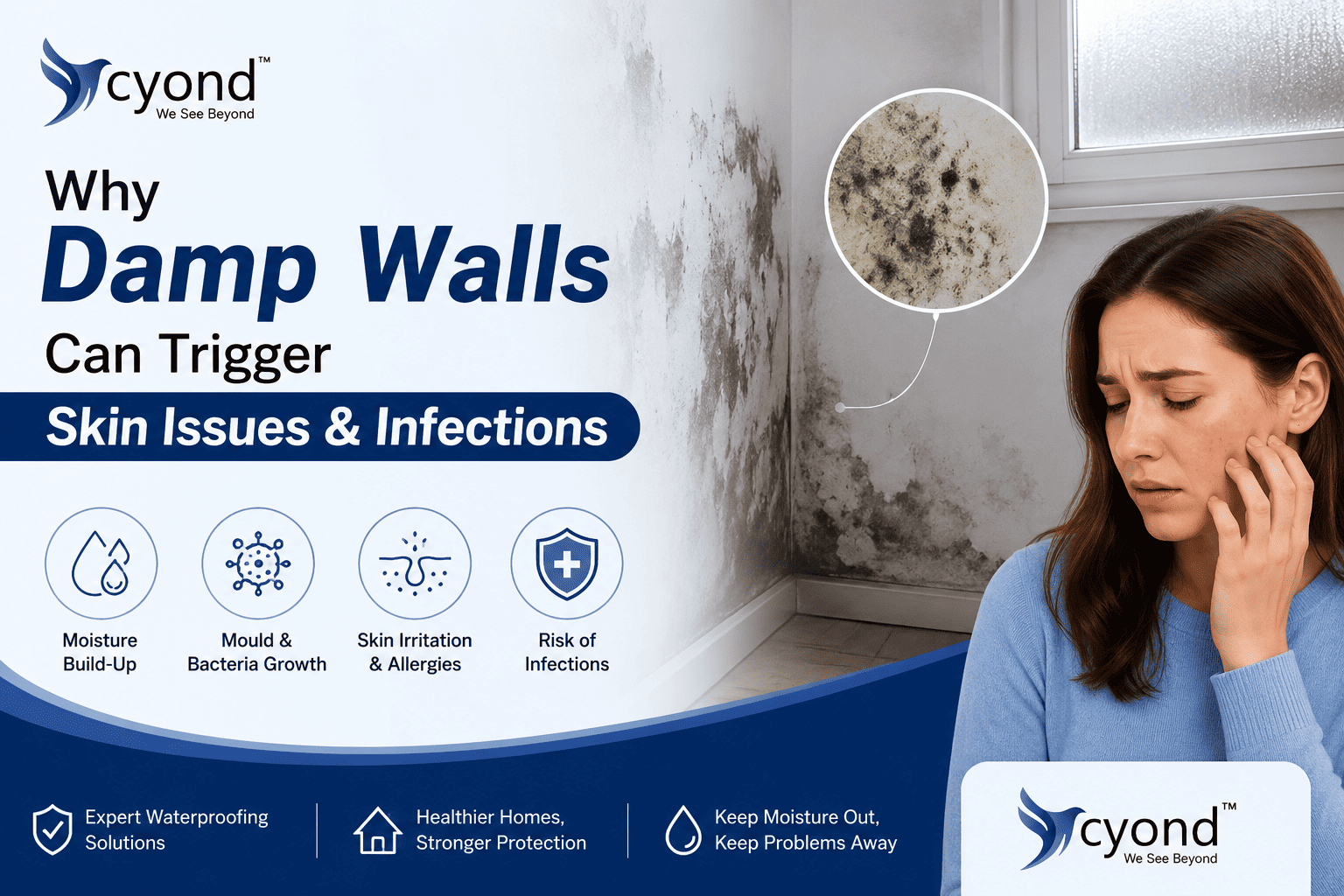
People think damp patches on walls are just ugly to look at and it will ruin the appearance of the room. But that’s not all. Damp patches are a lot more harmful than you can think. Having constant damp patches can create an unhealthy environment and indoor air quality. This not only affects the structure of the building, but also causes health issues to the people living in these homes. From allergies and respiratory discomfort to skin irritation and infections, the impact of damp walls can be bad if they’re not repaired.
What often starts as a minor seepage issue can quickly become a breeding ground for mold, fungi and bacteria, exposing occupants to various health risks every day.
Understanding Damp Walls
Damp walls occur when excess moisture enters a building’s walls through leaks, seepage, cracks, plumbing failures or poor waterproofing. The moisture gets trapped within the wall surfaces and creates ideal conditions for microbial growth.
While many property owners focus on repairing visible damage, they often overlook the hidden health risks associated with prolonged dampness. Common signs of damp walls include:
- Peeling paint and wallpaper
- Musty odors
- Black, green, or white patches on walls
- Bubbling plaster
- Water stains and discoloration
- Increased humidity indoors
When these signs appear, immediate water leakage repair becomes essential to prevent both structural and health-related problems.
How Damp Walls Affect Indoor Air Quality
When moisture remains trapped inside walls, mold spores and microorganisms begin multiplying rapidly. These microscopic particles become airborne and circulate throughout the indoor environment.
As people breathe and interact with these contaminated spaces, their skin comes into constant contact with allergens and irritants. This is one reason why experts offering best structural safety in Hyderabad often emphasize addressing moisture issues before they escalate. Poor indoor air quality caused by dampness can lead to:
- Increased allergen exposure
- Growth of mold colonies
- Bacterial contamination
- Higher humidity levels
- Unpleasant odors
- Reduced overall hygiene
The Connection Between Damp Walls And Skin Problems
Many homeowners are surprised to learn that damp walls can directly contribute to skin-related issues.
Increased exposure to mold
Mold thrives in damp conditions and releases spores into the air. When these spores settle on the skin, they can trigger various reactions, particularly in individuals with sensitive skin. Common symptoms include:
- Itching
- Redness
- Rashes
- Skin irritation
- Dry patches
- Burning sensations
In homes where moisture problems persist, professional water leakage repair services can help eliminate the source of mold growth.
Allergic skin reactions
Some people develop allergic reactions after repeated exposure to mold spores. These reactions may include:
- Hives
- Eczema flare-ups
- Contact dermatitis
- Skin inflammation
Children and elderly individuals are often more vulnerable because their immune systems may be less capable of handling prolonged allergen exposure.
Fungal skin infections
Damp environments create favorable conditions not only for mold but also for fungi.
Fungal infections commonly associated with excessive indoor moisture include:
- Ringworm
- Athlete’s foot
- Yeast infections
- Fungal rashes
Although these conditions are often associated with direct contact, living in a moisture-rich environment can increase susceptibility.
Why Children Face Greater Risks
Children spend a significant amount of time indoors, making them more vulnerable to the effects of damp living conditions.
Developing immune system – A child’s immune system is still developing, which means exposure to mold and bacteria may have stronger effects compared to adults.
Potential impacts include:
- Frequent skin irritation
- Allergic reactions
- Recurring rashes
- Increased sensitivity to environmental triggers
More contact with contaminated surfaces –
Children often touch walls, floors, furniture and other surfaces throughout the day.
When damp walls harbor mold and microbial growth, this constant contact increases the likelihood of skin-related problems.
This is why specialists providing the best water leakage repair in Hyderabad often recommend immediate action when dampness appears in homes with children.
How Damp Walls Encourage Bacterial Growth
While mold receives most of the attention, bacteria also flourish in moist environments.
Hidden bacterial colonies
Water seepage behind walls can create concealed bacterial colonies that remain unnoticed for months.
These microorganisms can spread through:
- Air circulation
- Surface contact
- Dust particles
The resulting exposure may contribute to skin infections, particularly in individuals with cuts, wounds or weakened immune systems.
Increased risk of secondary infections
Skin irritation caused by mold exposure often leads to scratching.
When damaged skin comes into contact with bacteria, secondary infections can develop, causing:
- Swelling
- Pain
- Redness
- Pus formation
- Delayed healing
Timely water leakage repair helps eliminate the moisture conditions that support bacterial growth.
Health Conditions That Can Worsen Due to Damp Walls
Eczema
People suffering from eczema often notice worsening symptoms in damp indoor environments.
Triggers may include:
- Mold spores
- Excess humidity
- Airborne allergens
Psoriasis
Although psoriasis is an autoimmune condition, environmental factors can contribute to flare-ups.
Persistent moisture and mold exposure may aggravate existing symptoms.
Contact dermatitis
Contact dermatitis occurs when the skin reacts to irritants or allergens.
Living near damp walls increases exposure to:
- Mold spores
- Fungal particles
- Dust mites
These substances can trigger skin inflammation and discomfort.
Hidden Areas Where Dampness Often Develops
Many moisture issues remain unnoticed until visible damage appears.
Common hidden locations include:
- Behind wardrobes
- Under sinks
- Inside bathroom walls
- Near plumbing lines
- Around windows
- Basement walls
- Ceiling corners
Regular inspections conducted by professionals specializing in best structural safety in Hyderabad can help identify these hidden problems before they affect occupant health.
Why Cosmetic Repairs Are Not Enough
Many property owners repaint walls or cover damp patches without addressing the underlying cause.
Unfortunately, this approach only provides temporary relief.
Moisture remains active
Even after repainting:
- Mold may continue growing internally.
- Wall damage may worsen.
- Health risks remain present.
- Structural deterioration may continue.
The root cause must be identified through professional inspection and proper water leakage repair methods.
Repeated expenses
Ignoring the actual source often leads to:
- Frequent repainting
- Recurring repairs
- Increased maintenance costs
- Greater health risks
Addressing the issue correctly from the beginning saves time and money.
Structural Damage and Health: A Connected Problem
Damp walls affect more than appearance and health.
They can gradually weaken the structural integrity of a building.
Potential consequences include:
- Corrosion of reinforcement steel
- Concrete deterioration
- Cracks in walls
- Reduced structural strength
- Damage to interior finishes
Experts providing best structural safety in Hyderabad understand that moisture management plays a crucial role in preserving both building stability and occupant wellbeing.
Preventing Damp Walls and Related Skin Issues
Conduct regular inspections
Routine inspections help detect:
- Hidden leaks
- Plumbing failures
- Waterproofing defects
- Early signs of seepage
Improve ventilation
Good ventilation helps reduce indoor humidity levels.
Effective methods include:
- Exhaust fans
- Open windows
- Cross ventilation
- Dehumidifiers
Repair leaks promptly
Delaying repairs allows moisture problems to spread.
Professional water leakage repair in Hyderabad services can identify and resolve leakage sources before they become major concerns.
Maintain waterproofing systems
Waterproofing should be inspected periodically to ensure continued effectiveness.
Areas requiring attention include:
- Roofs
- Bathrooms
- Balconies
- Water tanks
- External walls
Why Should You Get a Professional Dampness Inspection
Many homeowners assume that damp walls are easy to identify because they expect visible stains, peeling paint or mold growth. However, moisture can remain hidden inside walls, ceilings and structural elements for months before obvious signs appear. By the time the damage becomes visible, both the building and the health of its occupants may already be affected.
Professional inspections help identify the exact source of moisture rather than just the symptoms. In many cases, dampness may be caused by leaking pipes, terrace seepage, faulty waterproofing, external wall cracks or concealed plumbing defects. Without proper diagnosis, property owners often spend money on repeated repairs while the actual problem continues to worsen.
FAQs
A. Yes. Damp patches on walls can grow mold and give exposure to these mold spores. This might cause allergic skin reactions like itching, rashes, redness and dermatitis.
A. No. Repainting will only cover the symptoms that are already visible. The moisture that is hiding underneath must also be addressed through proper water leakage repair.
A. Some of the signs you may see are musty odours, bubbling paint, discoloration, recurring stains and mold growth. Professional inspections can identify hidden moisture more accurately.
A. Yes. Furniture placed against damp walls can absorb moisture, encouraging mold growth that may indirectly affect skin health.
A. No. Air fresheners may mask odors but cannot eliminate mold, bacteria or moisture-related contaminants.
A. Absolutely. Many serious leakage and seepage issues develop behind walls and remain invisible until significant damage occurs.
Conclusion
Damp walls are not something you can just cover up. They create conditions that will cause and increase mold, fungi and bacterial growth. It can lead to skin irritation, allergic reactions, fungal infections and other health issues. Beyond health concerns, persistent moisture can also weaken building structures and result in expensive repairs over time. Early detection and proper treatment are essential for maintaining a safe and healthy indoor environment.
If there are signs of seepage, mold or damp patches, you can contact Cyond for a professional diagnosis. With advanced inspection techniques, expert analysis and reliable solutions for best water leakage repair and best structural safety in Hyderabad, Cyond helps protect both your property and the people living inside it.
Follow us on Instagram.